
CNC Press Brake Tools
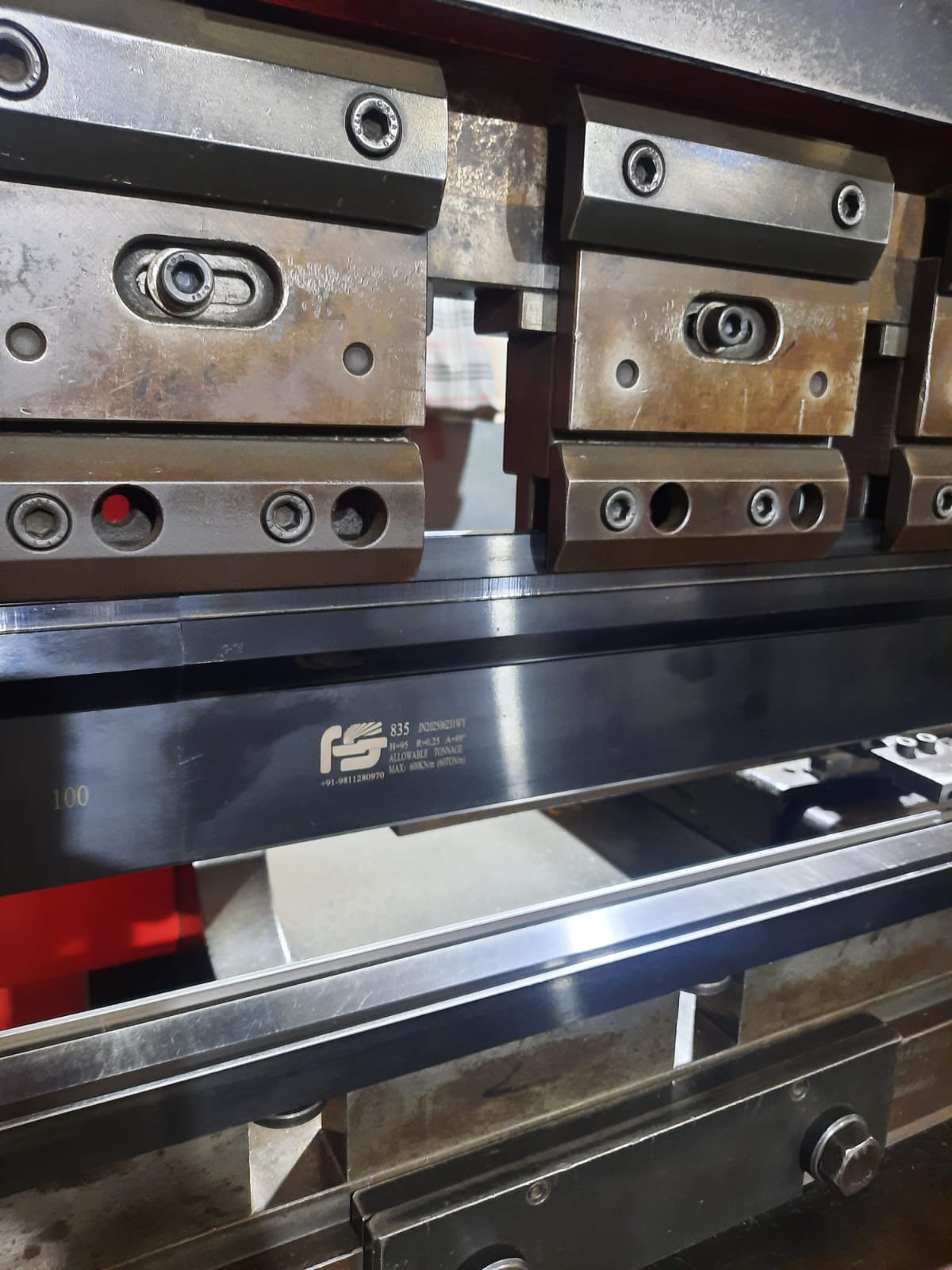
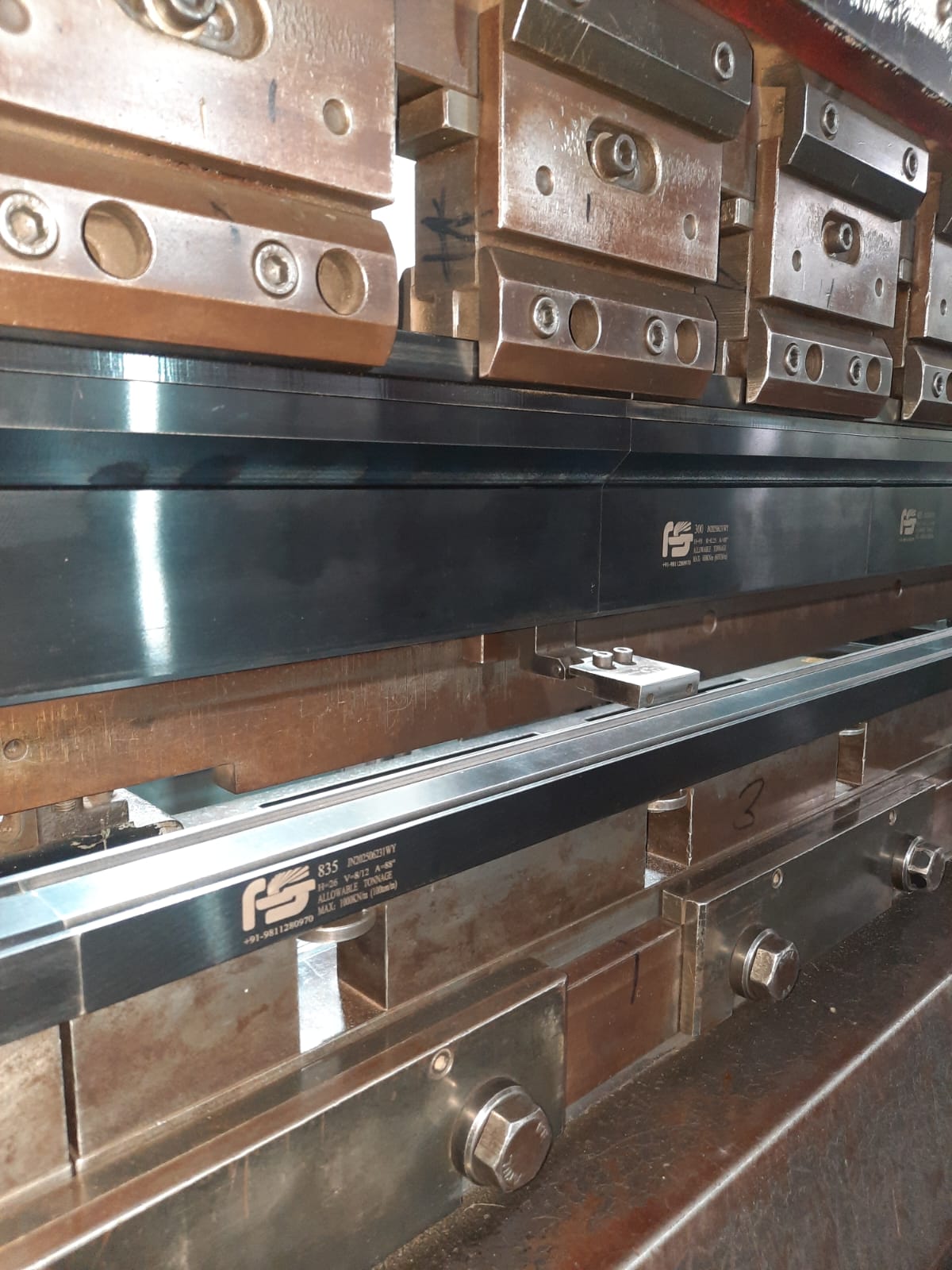
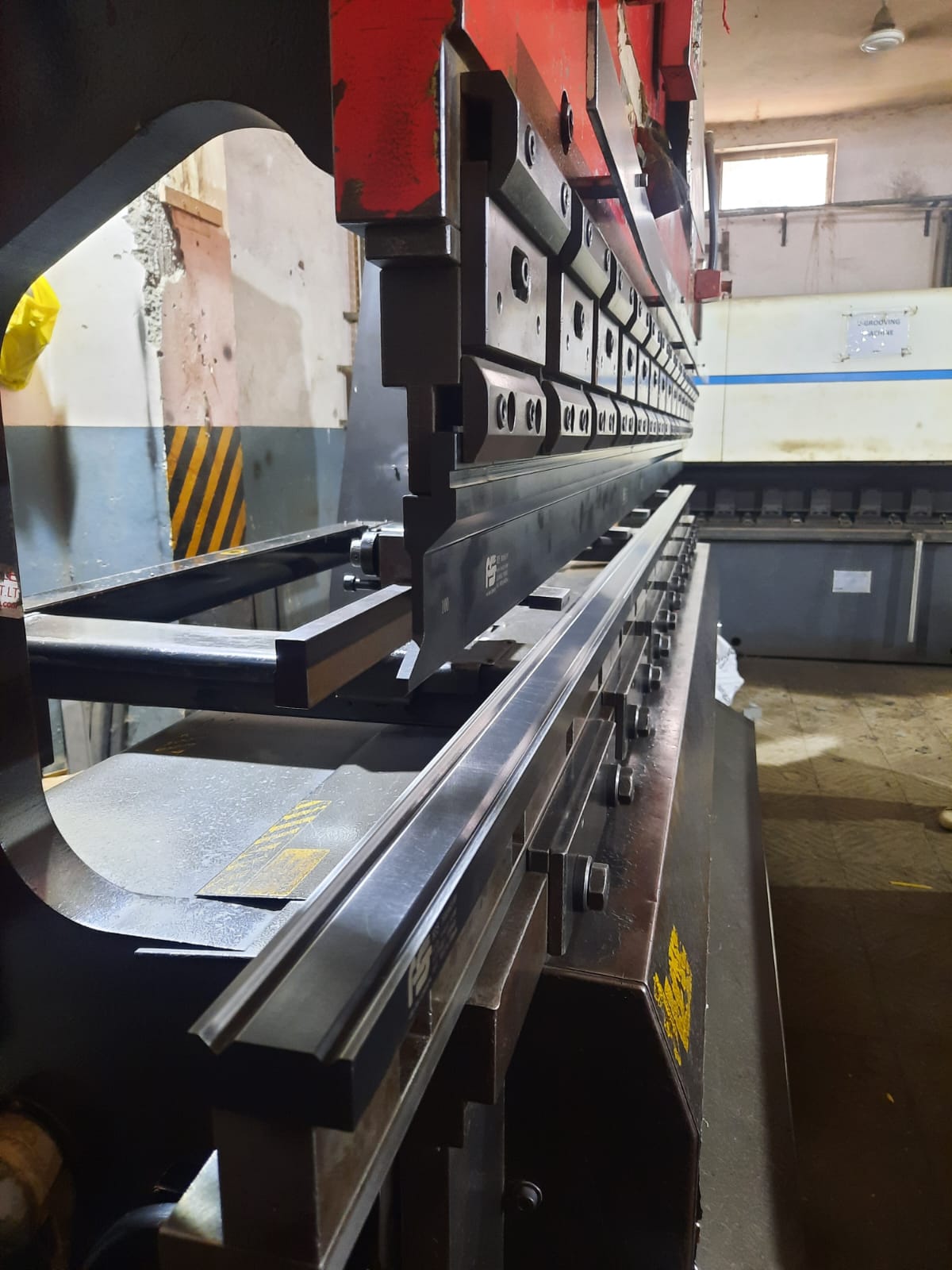
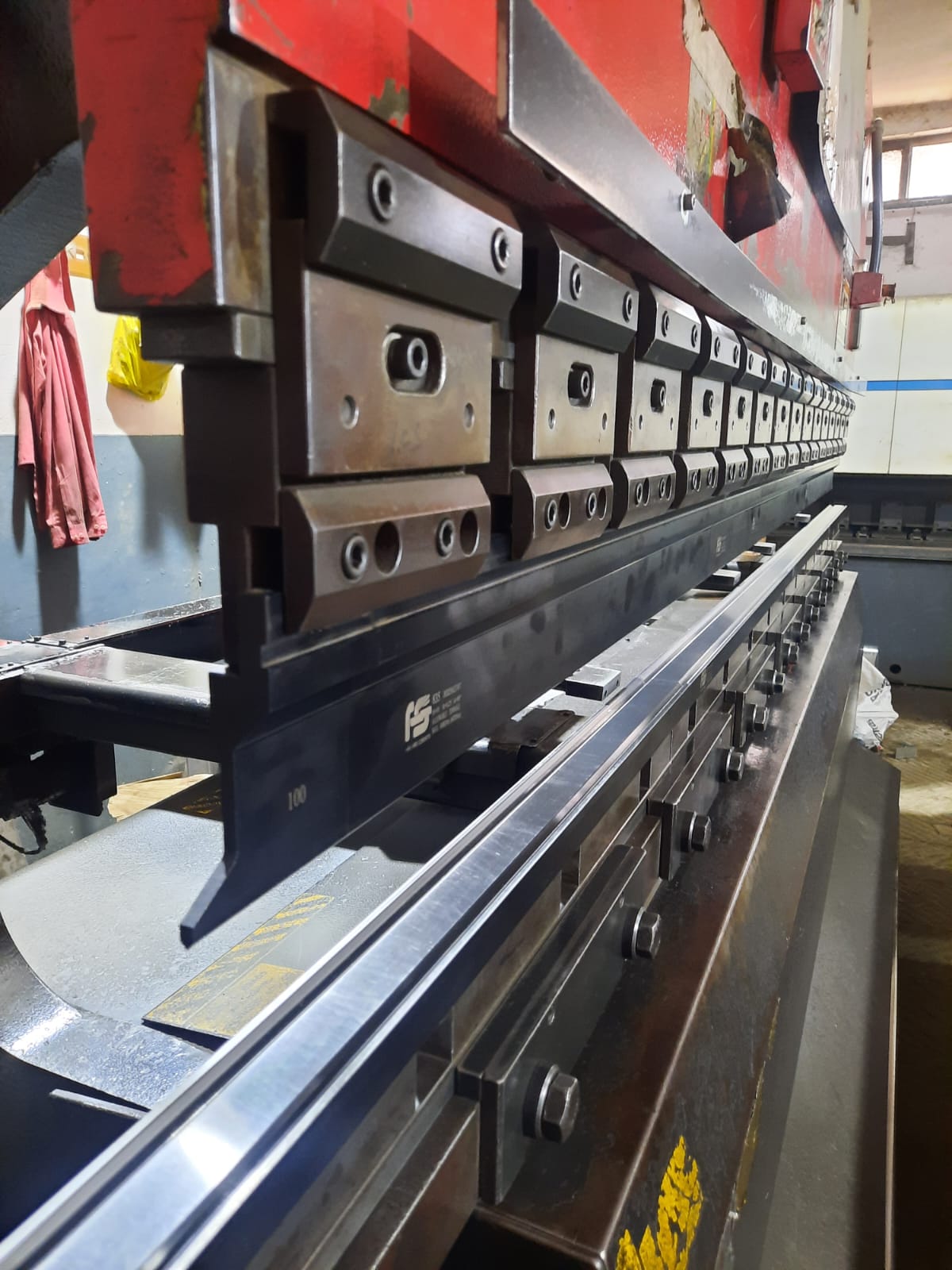
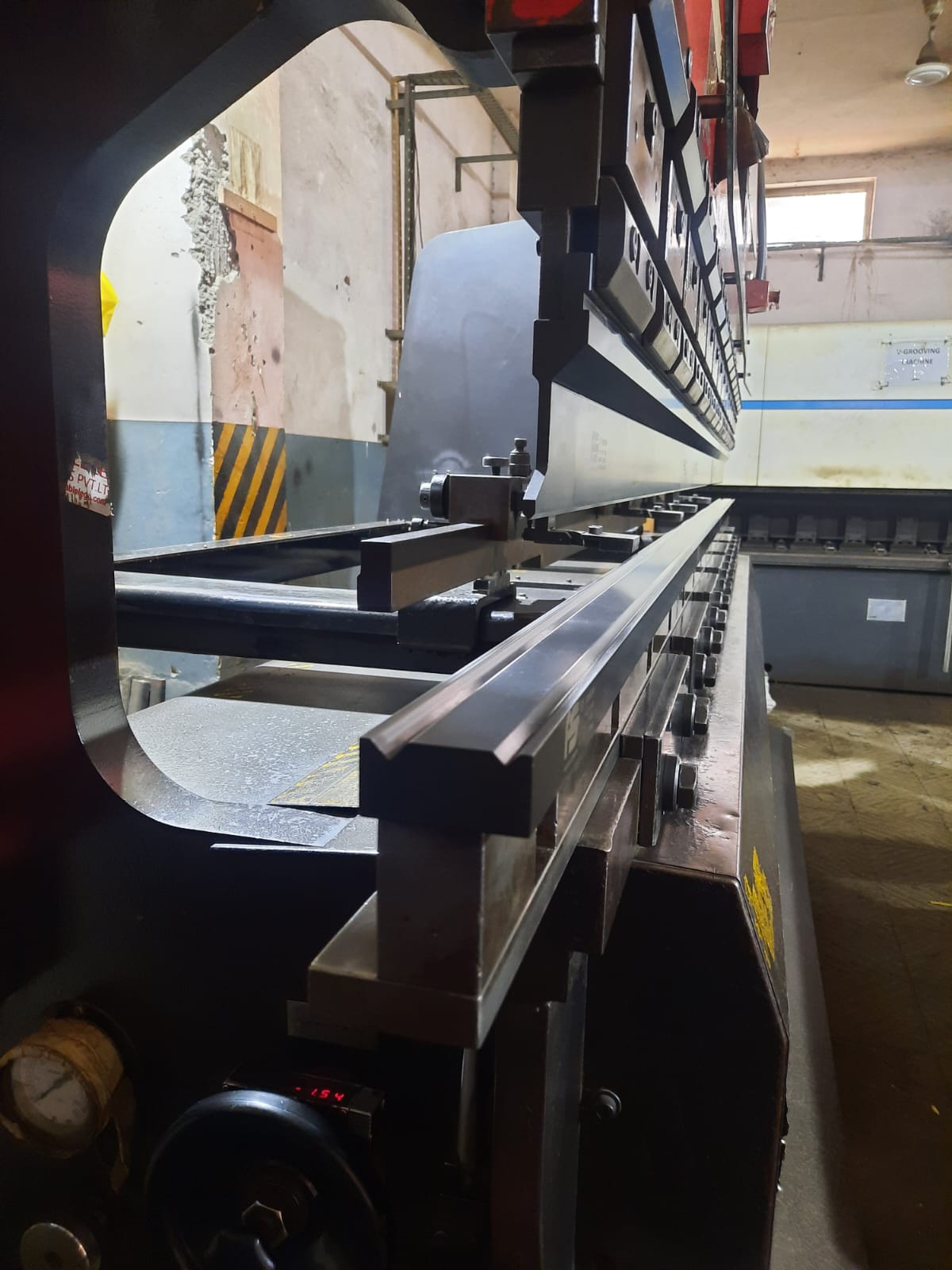
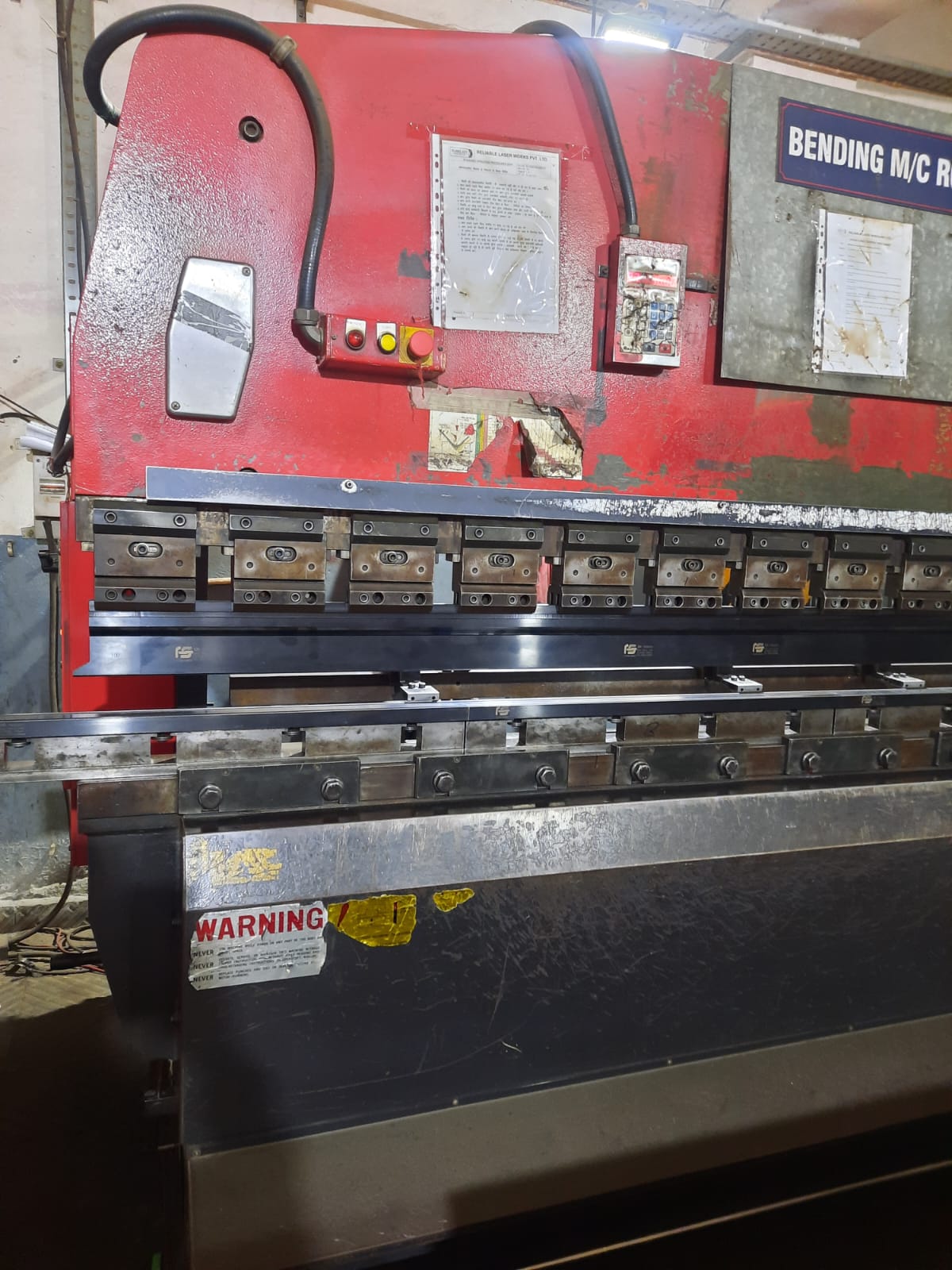
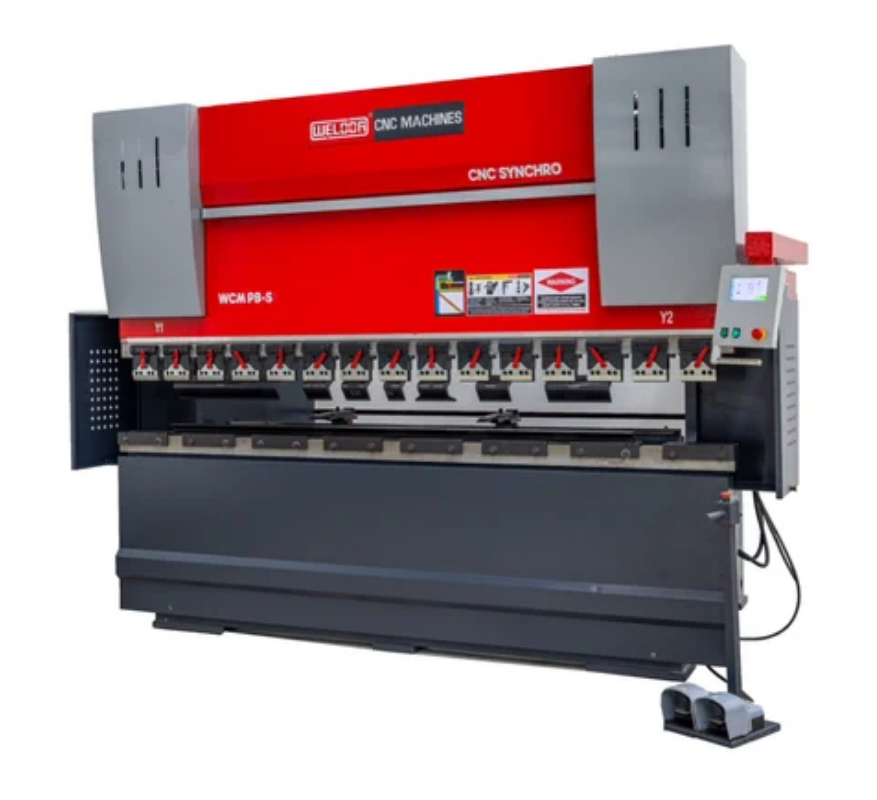
CNC press brake tools, also known as punches and dies, are the forming tools used in a CNC press brake to bend sheet metal with high accuracy. The CNC controller manages the angle, depth and pressure, but the tools determine the final bend shape, surface finish and dimensional precision. The right combination of punch and die ensures clean bends, reduced material stress and consistent production quality. These tools are built from hardened tool steel to handle repetitive forming operations in the sheet metal industry.
Types of CNC Press Brake Tools
1. Punches (Upper Tools)
Punches press the sheet metal into the die to create the required bend. Each punch type is suited for different part geometries and materials.
Common Punch Types
- Standard Punch – Used for general-purpose bending.
- Gooseneck Punch– Ideal for parts with return flanges or box-type bends without collision.
- Acute Angle Punch – Creates sharp bends between 30° and 60°.
- Hemming Punch – Flattens pre-bent edges for hems.
- Radius Punch – Used for radius forming, especially on thicker materials.
- Heavy-Duty Punch – Designed for high-tonnage bending and strong sheet materials.
2. Dies (Lower Tools)
Dies support and define the bend shape from below. Die selection influences bend quality, radius and tonnage requirement.
Common Die Types
- V-Dies – Most widely used; available in various V openings for different sheet thicknesses.
- U-Dies – Used to create channels and deeper forms.
- Multi-V Dies – Adjustable die width for multiple materials without frequent tool changes.
- Acute Angle Dies – Paired with acute punches for sharp bends.
- Hemming Dies – Used for edge flattening after a pre-bend.
- Radius Dies – Suitable for smooth radius bends and heavy-gauge sheets.
Key Features & Advantages
- High precision for consistent bends
- Hardened tool steel for longer life
- Compatible with major CNC press brake brands
- Smooth surface finish to reduce marking
- Suitable for multiple sheet thicknesses and materials
- Fast tool alignment and setup
- Available in segmented and full-length formats
- Options for custom punch and die profiles
Choosing the Right Tooling
- Sheet Material and Thickness: Different materials bend differently, so the tooling must match the sheet type. Softer metals need larger V-openings, while harder materials require stronger punches and dies. Correct selection ensures clean bends and longer tool life.
- Required Bend Angle and Radius: The bend angle and inside radius decide the punch–die combination. Acute bends need sharp-angle tools, while larger radii require radius tooling. Choosing the right setup ensures accurate and repeatable results.
- Part Geometry and Flange Height: Complex shapes or return flanges require special punch profiles like gooseneck punches. Taller flanges need correct die height for clearance. Matching tooling to part geometry prevents collisions and improves bend quality.
- Frequency of Changeovers: Shops with frequent job changes benefit from segmented punches and adjustable dies. These reduce setup time and make tool changes faster. Modular tooling improves efficiency in high-mix production.
- Tonnage Capacity of the Press Brake: Tooling must work within the press brake’s tonnage limits. Smaller V-dies increase pressure, while larger V-openings reduce load. Selecting the right combination protects both the tools and the machine.
- Surface Finish Requirements: Delicate materials need tooling that avoids scratches and marks. Coated or radius tools help maintain a clean finish. Selecting the right surface-friendly tools reduces post-processing work.
Why Choose Remitek CNC Press Brake Tools
Remitek tools are engineered for reliability, precision and long life. Each tool undergoes controlled heat treatment and finishing to ensure accuracy under continuous use. With a wide range of standard punches and dies, along with custom tooling solutions, Remitek supports fabricators in achieving high-quality bends with efficiency and consistency.