
How the Right Punching Tools Can Reduce Production Downtime
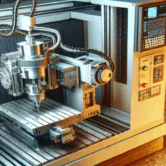
Downtime is one of the biggest challenges in any fabrication setup. It interrupts workflow, delays delivery schedules and increases overall production costs. What many shops don’t realise is that a significant amount of downtime begins with something as small as the punch tool itself. When a tool loses sharpness quickly, produces inconsistent cuts or causes operators to pause the machine, the entire line feels the impact. The right tooling can change this completely.
Most problems during punching start slowly. A punch that isn’t manufactured with the right grade of steel begins to dull faster. A die with worn edges causes unnecessary resistance each time the tool enters the sheet. Misalignment between punch and die creates stress that travels through the machine, leading to vibration and more heat. Over long production cycles, these issues add up. Operators have to stop the job, make adjustments or replace the tool, and that downtime directly affects daily output.
High-quality tools tackle these issues before they appear. When a punch is designed with the right geometry and heat treatment, it cuts cleanly and releases the material smoothly. This means fewer burrs, less friction and less frequent sharpening. The machine runs with steadier motion because the tool isn’t forcing the system to work harder than necessary. Over time, this protects critical components like the ram, bushings and drive system from unnecessary wear.
Once a fabrication shop switches to better tools, the difference becomes obvious. Parts come out cleaner, operators spend less time adjusting settings and production lines run longer between stoppages. Quality remains stable even during high-volume jobs, and the overall cost per part goes down because tools last longer and reduce waste. These improvements directly support profitability, especially for shops handling tight delivery schedules or high-mix production.
At Remitek, we help manufacturers select tools that match their sheet material, thickness, machine model and job complexity. Small details like tip angle, coating type, clearance selection and body style influence how well a tool performs. Our goal is to ensure that every tool supports consistent punching, reduces strain on machines and keeps the line running without interruption.
When the right tools are used, punching becomes more predictable. Production stabilises, operators work with greater confidence and overall efficiency increases. Downtime becomes rare instead of routine. Investing in high-quality tooling isn’t an added cost; it’s a way to protect machine health, deliver dependable output and keep fabrication operations moving smoothly day after day.
The company also prioritizes safety and quality, implementing rigorous standards and continuous training programs to ensure excellence across all their projects. Their portfolio spans a diverse range of construc, from residential complexes to commercial buildings, each tailored to meet the unique needs of their clients. Collaboration and transparency are core to their approach, fostering strong partnerships with stakeholders and clients alike to deliver projects on time and within budget.
In addition, Construction Industries of The Inspiration Works invests heavily in research and development to stay ahead of industry trends and regulatory changes. Their dedicated team of experts is constantly exploring new methods and materials to drive innovation and sustainability. This forward-thinking mindset not only sets them apart in a competitive market but also helps them contribute positively to the global construction industry’s future.
“A tool that performs well doesn’t just cut better, it keeps the entire line moving.”
Why Tool Maintenance Matters More Than You Think
- remitek_rx1tms
- December 1, 2025